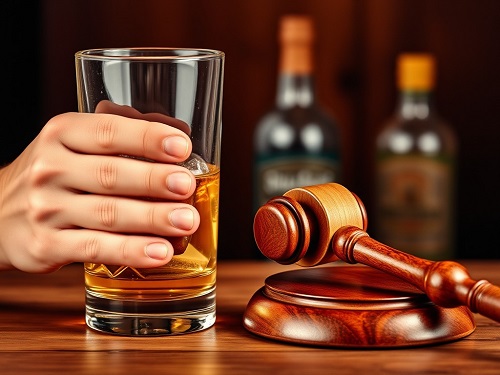
On Monday, December 9, 2024, Colorado Politics reported that the Colorado Supreme Court censured former Denver Juvenile Court Presiding Judge D. Brett Woods for alcohol-related misconduct and retaliatory actions against an employee who reported his behavior. Woods, who served on the juvenile court for 17 years, stepped down in February amid an ongoing investigation, which was kept confidential.
The Supreme Court’s unsigned censure revealed that Woods had a long history of alcohol use while on the job, but allegations regarding his intoxication went unreported due to fears of retaliation. The situation first came to light in 2019 when a court clerk raised concerns about Woods’ behavior, noting that he appeared to be under the influence during work hours. After reporting these issues to supervisors, the clerk faced retaliation, leading Woods to attempt to terminate the clerk’s employment, claiming the allegations were false.
Melissa Michaelis Thompson, executive director of the Office of Respondent Parents’ Counsel, commented on the case, expressing concern over the double standard applied to judicial officers and the lack of transparency regarding how Woods’ alcohol use may have affected his decision-making in court. She highlighted that Woods presided over numerous cases during periods of intoxication, potentially impacting the outcomes for families involved.
Disciplinary documents filed with the Supreme Court indicated that Woods admitted to being under the influence while handling court responsibilities. The issue reportedly began in 2017, following the hiring of a new clerk, who soon suspected Woods was intoxicated and smelled alcohol on his breath. After the clerk’s concerns were relayed to Woods, he denied the allegations and sought to dismiss the clerk for making what he called false claims.
Following the initial report in 2019, other staff members at the Denver Juvenile Court refrained from voicing concerns about Woods’ alcohol impairment for fear of similar retaliation. It wasn’t until 2023 that additional reports about Woods’ behavior were made. The Colorado Commission on Judicial Discipline urged the Supreme Court to suspend Woods after he appeared visibly intoxicated at a gathering for a fellow judge.
The commission’s findings detailed that Woods had been concealing alcohol in a Starbucks cup at his desk and had been consuming alcohol throughout the day. Woods has struggled with alcoholism for over 14 years, and witnesses reported that he often appeared disengaged from his judicial duties, frequently delegating decision-making to others.
The commission warned that Woods’ behavior posed imminent risks to public safety and emphasized that he should have understood that firing an employee for reporting his intoxication was both illegal and unethical. In December 2023, the commission requested Woods’ suspension, and he subsequently admitted to engaging in misconduct and retaliatory actions, ultimately opting not to seek a hearing regarding the censure.
Woods accepted the Supreme Court’s censure on December 9, 2024. The Judicial Department has not provided information about whether other judges at the Denver Juvenile Court were aware of Woods’ actions towards the reporting employee. Reports indicate that at least three judges, including Justice Brian D. Boatright and Judge Laurie A. Clark, had been approached with general concerns about Woods’ behavior, although Boatright recused himself from the censure decision without disclosing the reason.
Source: Colorado Politics