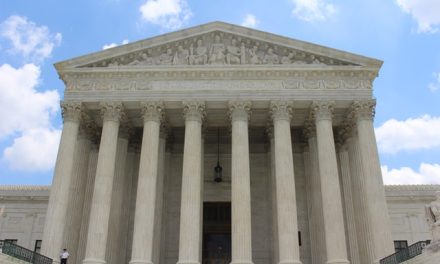
On Friday, March 6, 2026, WGME reported that a federal court rejected a motion filed by the U.S. Attorney’s Office seeking the recusal of two judges from the Title IX lawsuit between the Trump administration and the Maine Department of Education.
The Justice Department initiated the lawsuit, alleging that Maine’s policy of allowing transgender girls to participate in girls’ sports violates Title IX, thereby denying “biological girls” a fair competitive environment.
The Maine Department of Education counters that the Trump administration’s interpretation of Title IX is contested. The department maintains that it is adhering to state law, specifically the Maine Human Rights Act, which provides protections for transgender athletes.
The district judge and magistrate judge involved disclosed potential conflicts of interest, according to court documents. These same judges had previously recused themselves from a case last year involving Maine lawmaker Laurel Libby, who sued House Speaker Ryan Fecteau after being censured for posting a photo of a transgender minor online.
Federal prosecutors argued that the judges’ recusal in the Libby case, coupled with their decision not to recuse themselves in the Title IX lawsuit, raises concerns about impartiality. The government’s request for recusal was also based on the fact that a court employee has a relative named in a third-party subpoena related to the current case.
However, the judges maintained that their impartiality was not compromised. They emphasized that the court employee has no role in the decision-making process and that the connection to the case is too indirect to justify recusal.
The judges distinguished the current case from the Libby case, stating that in the latter, a court employee was directly involved in or impacted by the underlying controversy. In contrast, the Title IX dispute concerns a statewide policy, and any involvement by the employee or their relative is considered tangential and incidental.