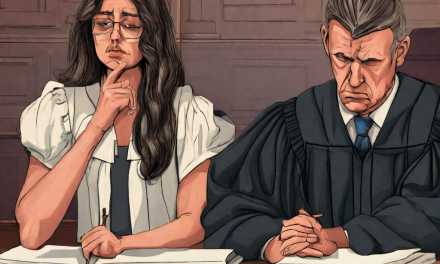
On Saturday, March 1, 2025, NPR reported that law clerks in the federal court system are facing significant challenges related to bullying and abuse, revealing a concerning lack of protections against mistreatment by judges. An extensive investigation by NPR highlights the overwhelming power judges hold over their clerks, many of whom feel vulnerable in their roles.
The report details the experiences of a former law clerk in Alaska, who began her position during the onset of the COVID-19 pandemic in 2020. Initially excited about the opportunity, she soon found herself subjected to harassment and unwanted advances from her supervising judge. The clerk described the judge as occupying multiple roles—her boss, the HR department, and a colleague—creating an environment where the power dynamics were heavily skewed in the judge’s favor.
Victims of harassment within the judiciary often find themselves in a system where traditional legal protections do not apply. The federal judiciary operates largely independently, which means judges can enforce their own workplace rules without external oversight. This lack of accountability has resulted in a culture of fear among judicial employees, many of whom are hesitant to report misconduct.
NPR’s investigation included interviews with 42 current and former federal judicial employees, revealing a widespread sentiment of intimidation and a reluctance to speak out against abuse. The former clerk from Alaska, who remains unnamed due to the sensitive nature of her allegations, recounted persistent inappropriate messages from her judge, which escalated to a sexual assault incident after she left her clerkship. The judge later claimed the encounter was consensual, further complicating the situation for the clerk seeking justice.
Notably, the federal judiciary is exempt from Title VII of the Civil Rights Act of 1964, which means clerks have limited legal recourse in cases of harassment or retaliation. Aliza Shatzman, founder of The Legal Accountability Project, emphasized the lack of legal protections for clerks, stating that many victims of harassment have no viable means to seek justice.
Despite claims from court administrators that strides have been made since the #MeToo movement began, many clerks remain unaware of the internal reporting mechanisms available to them. A recent study found that approximately 10% of federal court websites lack information regarding how to report workplace misconduct, leaving employees without guidance in times of distress.
The NPR report further reveals that many judicial employees feel trapped by the power judges wield over their careers. A single phone call from a judge can open or close doors to future employment in the legal field, creating a chilling effect on those considering reporting misconduct.
The investigation outlined various paths available for reporting misconduct, starting with informal advice and progressing to formal complaints. However, many clerks choose not to utilize these options due to fears of retaliation or a lack of confidence in the system. The data shows that between 2021 and 2023, only seven complaints were filed by law clerks, despite the presence of over 1,400 federal judges.
The report also highlights the stories of clerks who faced bullying or discrimination, often stemming from personal attributes such as pregnancy or disability. One clerk described an experience of intense pressure to adhere to unrealistic expectations during her pregnancy, which ultimately affected her health and well-being.
In several cases, judges have faced allegations of misconduct but have often remained in their positions, sometimes retiring with full benefits before being held accountable. High-profile cases, such as those involving Judge Alex Kozinski and Judge José Antonio Fusté, illustrate how judges can escape scrutiny while still influencing the careers of their subordinates.
Congresswoman Norma Torres has raised concerns about the lack of oversight within the judiciary and is advocating for legislative changes to extend civil rights protections to federal court employees. She emphasized the necessity for accountability within a system that currently allows judges to act without consequences for their behavior.
Though court administrators assert that they are committed to improving conditions for employees, many clerks continue to feel the pressure to remain silent about their experiences. A former clerk noted that a negative reference from a judge could severely impact a clerk’s career, perpetuating an atmosphere of fear and silence regarding misconduct.
As NPR’s investigation sheds light on these troubling dynamics within the federal judiciary, it underscores the urgent need for reforms to protect those who work within a system designed to uphold justice. The lack of accountability and the prevalence of fear among law clerks highlight significant gaps in the current structure, raising questions about the integrity of the judicial workplace.
Source: NPR