
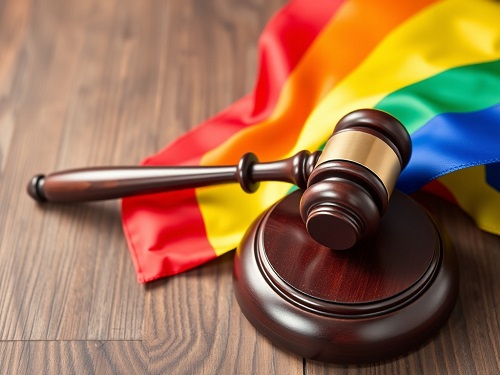
The New York Advisory Committee on Judicial Ethics has issued an opinion clarifying the ethical guidelines for judges participating in events related to Pride Month. The guidance responds to inquiries from a judge involved in planning a courthouse celebration aimed at raising awareness about the historical struggles of the Gay Rights Movement and the discrimination faced by transgender individuals.
According to the opinion, the judge can host an event providing a historical overview of significant protests in the gay rights movement, including those from the 1950s through the Stonewall riots in 1969. The event’s objective is to promote understanding and awareness regarding discrimination against transgender individuals, which aligns with the judiciary’s commitment to diversity and inclusion.
However, the committee emphasized the importance of careful language in advertising the event. The judge was advised against using titles that could be interpreted as politically charged or as calls to action. Specifically, while the title “History of Pride in Protest” was deemed acceptable, any reference to the theme “Rise Up: Pride in Protest,” which is linked to NYC Pride’s campaign, should be avoided. The committee noted that NYC Pride’s theme is framed as a call to action against current legislative challenges faced by the LGBTQ+ community.
The opinion underscores that judges must maintain impartiality and integrity in their roles. They are bound by rules that prohibit participating in political activities or lending their judicial prestige to private interests. The committee reaffirmed that judges are expected to perform their duties without bias and to encourage a judicial environment free from discrimination based on sexual orientation or gender identity.
Additionally, the opinion highlights that judges must be cautious in their speech and conduct, especially regarding pending legal matters. The guidance serves to ensure that judges engage in activities that are compatible with their judicial responsibilities, promoting public confidence in the judiciary.


