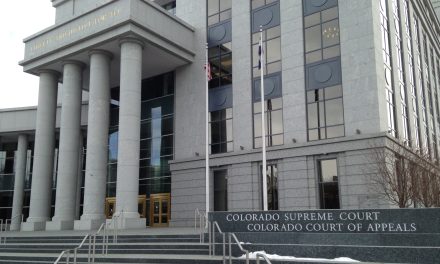
On Monday, September 30, 2024, The New Republic reported that the Supreme Court is facing significant scrutiny as it begins its new term, amid ongoing discussions about judicial ethics and recusal standards. The court is considering whether to take on a pivotal case that could clarify the circumstances under which federal judges and justices are required to recuse themselves from cases.
The current ethical climate surrounding the Supreme Court is marked by declining public confidence, with recent polls indicating that only 9% of Americans express a “great deal” of confidence in the court. This represents a stark decline from previous years, highlighting concerns over the justices’ conduct and the transparency of their decision-making processes.
The case under review involves Ali Hamza Ahmad al-Bahlul, a Guantánamo Bay detainee convicted of conspiracy to commit war crimes and currently serving a life sentence. Al-Bahlul is challenging his conviction and has requested that Judge Gregory Katsas recuse himself from the appeal process due to his past involvement in the case as a Justice Department attorney. Katsas, who previously argued against al-Bahlul in court, has refused to step down, claiming that his prior work does not necessitate recusal under the law.
Al-Bahlul’s appeal raises critical questions about judicial impartiality and the standards for recusal. The law stipulates that a judge must disqualify themselves from any proceeding where their impartiality could reasonably be questioned. Legal experts argue that allowing Katsas to remain on the case could undermine public perception of judicial fairness, as it suggests that judges may hear cases in which their objectivity is in doubt.
The Supreme Court is scheduled to decide on whether to take the case during its first conference of the term. If the justices choose to hear it, they could establish clear guidelines regarding the appearance of conflicts of interest and the required standards for recusal. Conversely, opting not to take the case may indicate a reluctance to address the growing concerns surrounding judicial ethics.
The court’s ethical issues have been exacerbated by a series of controversial incidents involving its justices, including Justice Clarence Thomas’s acceptance of gifts and trips from a billionaire donor without disclosure, and Justice Sonia Sotomayor’s promotion of her book through her official staff. Additionally, Justice Thomas faced criticism for not recusing himself from a case related to January 6, despite his wife’s involvement in communications with Trump officials about the events surrounding that day.
In response to mounting pressure, the Supreme Court introduced a new code of conduct late last year, which emphasizes that justices should disqualify themselves in situations where their impartiality might reasonably be questioned. However, this code does not apply to lower court judges, and the application of the rule of necessity—where a justice’s recusal could leave the court without enough members to decide a case—complicates matters further.
Legal scholars have voiced concerns that the Supreme Court’s approach to recusal could influence judges at all levels, potentially leading to a culture where disqualification is seen as unnecessary except in extreme cases. This could have far-reaching implications for public trust in the judiciary.
The Bahlul case highlights the complex interplay between legal technicalities and broader ethical principles in the judicial system. Al-Bahlul’s legal team argues that judges should not preside over cases involving parties or issues where they previously served as attorneys, as this compromises the fairness of the proceedings. The petition emphasizes the commonsense notion that judges should recuse themselves to avoid any appearance of bias.
As the Supreme Court contemplates its next steps, the outcome of the Bahlul case could serve as a significant benchmark for judicial ethics and the standards governing recusal. The justices’ decision may ultimately influence public perceptions of the court’s integrity and its role in upholding justice in the federal system.
With the legal community and the public closely watching, the Supreme Court’s actions in the coming weeks will likely have lasting implications for its credibility and the trust placed in the federal judiciary by American citizens.
Source: The New Republic