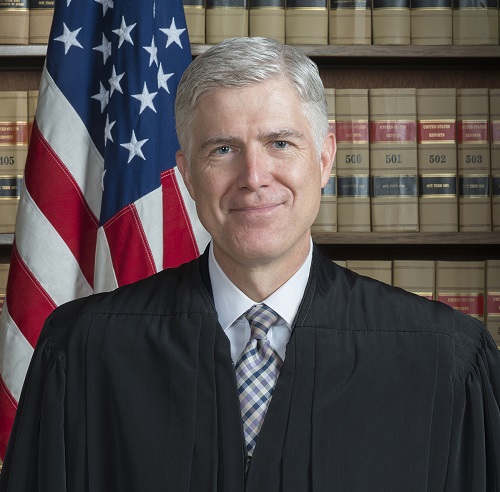
On Thursday, December 5, 2024, Above the Law published an article examining Justice Neil Gorsuch’s strong opposition to establishing an enforceable ethics code for the Supreme Court. The article highlights ongoing concerns about ethical practices within the Court, particularly in light of several recent scandals involving other justices.
The Supreme Court has faced significant scrutiny over ethics issues, with notable scandals surrounding Justices Clarence Thomas and Samuel Alito. Justice Thomas has been criticized for receiving undisclosed gifts, including substantial financial contributions to cover private school tuition for his family and other luxuries. Revelations about his wife, Ginni Thomas, a supporter of the January 6th insurrection, have further complicated matters, as Justice Thomas did not recuse himself from related cases.
Justice Alito has also faced ethical dilemmas, including accepting gifts from European nobility and displaying symbols associated with insurrectionist movements. His recent comments about the need for the country to return to a “place of godliness” have raised questions about his impartiality.
The article notes that despite these controversies, the Supreme Court has lacked a formal ethical code. When the Court eventually drafted a code, it was criticized for being unenforceable, leading to skepticism about its effectiveness. Some justices have expressed support for a more robust ethical framework, but Gorsuch has emerged as a leading opponent of such measures.
Gorsuch articulated his stance against enforcing an ethics code, arguing that such requirements could compromise the independence of the Supreme Court. He emphasized the importance of maintaining that independence, asserting that the justices should not be subject to external judgments regarding their conduct. Gorsuch even authored a ten-page memo detailing his opposition to binding ethical constraints.
Critics of Gorsuch’s position point out the inconsistency of his views, noting that he had previously adhered to an enforceable ethics regimen during his tenure as a circuit judge. Gabe Roth, from the advocacy group Fix the Court, remarked that the concerns Gorsuch raised about an ethics code undermining judicial independence seemed exaggerated, given the potential for a senior judges’ panel to recommend non-binding actions such as ethics training or returning gifts.
During discussions about the ethics code, Gorsuch was reportedly working on a book arguing that Americans are burdened by excessive laws. He warned his colleagues that enforcing an ethics code could lead to a situation where justices are subject to scrutiny by outside figures. Justice Alito echoed similar sentiments, reinforcing the notion that enforcement could threaten the Court’s independence.
The article concludes by noting that while Gorsuch may prefer to operate without strict ethical guidelines, public opinion appears less favorable toward a lack of accountability among the justices. As the Supreme Court navigates these ethical challenges, the debate over a more enforceable ethics framework continues to be a contentious issue.
Source: Above the Law